
Tham quan Hoàng thành Thăng Long tất tần tật
Hoàng Thành Thăng Long
1. Vị trí
Khu di tích này có diện tích lên đến 18.395 ha, bao gồm khu khảo cổ và nhiều di tích lịch sử khác còn sót lại trong thời kỳ chiến tranh xưa. Tại đây có đến 8 cổng hành cung thời Nguyễn nên không gian rất rộng và thoáng mát. Vì thế khu di tích được giới hạn bởi các tuyến đường lớn tại Hà Nội: phía Bắc là đường Phan Đình Phùng, phía Nam là đường Bắc Sơn, phía Tây là đường Hoàng Diệu, phía đông là đường Nguyễn Tri Phương. Tại kỳ họp lần thứ 34 tại Braxin ngày 31/7/2010, Ủy ban Di sản Thế giới họp đã công nhận Khu Trung tâm Hoàng thành Thăng Long - Hà Nội là Di sản văn hóa thế giới với các tiêu chí giá trị: minh chứng cho sự giao lưu giữa các ảnh hưởng đến chủ yếu từ Trung Quốc ở phía Bắc và Vương quốc Champa ở phía Nam; minh chứng cho truyền thống văn hóa lâu dài của người dân Việt được thành lập ở đồng bằng sông Hồng, đó là một trung tâm quyền lực liên tục từ TK 7 cho đến tận ngày nay; liên quan trực tiếp tới nhiều sự kiện văn hóa - lịch sử quan trọng.

Ngày 1 tháng 8 năm 2010, khu di tích trung tâm Hoàng thành Thăng Long của Việt Nam được Ủy ban di sản thế giới của Liên Hợp Quốc (UNESCO) công nhận là di sản văn hóa thế giới dựa trên 3 tiêu chí nổi bật: là minh chứng đặc sắc về quá trình giao lưu văn hóa lâu dài, là nơi tiếp nhận nhiều ảnh hưởng văn hóa từ bên ngoài, nhiều học thuyết, tư tưởng có giá trị toàn cầu của văn minh nhân loại để tạo dựng nên những nét độc đáo, sáng tạo của một trung tâm chính trị, kinh tế, văn hóa của quốc gia, là minh chứng về truyền thống văn hóa lâu đời của người Việt ở vùng châu thổ sông Hồng qua các thời kỳ lịch sử, có mối quan hệ giao lưu với khu vực và thế giới.
2. Tên gọi của Hoàng thành Thăng Long qua từng giai đoạn
Thời kỳ Nhà Đường, An Nam được chia thành 12 châu với 50 huyện,Tống Bình là trung tâm của An Nam đô hộ phủ.Năm 866, viên tướng nhà Đường Cao Biền xây dựng một thành trì mới, Tống Bình được đổi tên thành Đại La – thủ phủ của Tĩnh Hải quân.
Năm 1010, tại kinh đô Hoa Lư, vua Lý Thái Tổ ban chiếu dời đô để thiên đô về thành Đại La và đổi tên kinh thành này là Thăng Long. Theo các sách Việt sử lược, Đại Việt sử ký toàn thư thì: Sau khi định đô ở Thăng Long, vua Lý Thái Tổ đã cho xây dựng quần thể kiến trúc cung điện, mà trung tâm là điện Càn Nguyên, làm chỗ coi chầu, bên tả làm điện Tập Hiền, bên hữu làm điện Giảng Võ. Phía trước là Long Trì (Ao rồng), lại mở cửa Phi Long thông với cung Nghinh Xuân, cửa Đan Phượng thông với cửa Uy Viễn, chính hướng Nam là điện Cao Minh, thềm gọi là thềm rồng; bên trong thềm rồng có mái cong, hàng hiên bao quanh bốn mặt. Sau điện Càn Nguyên dựng hai điện là Long An và Long Thụy làm nơi nghỉ ngơi; bên tả làm điện Nhật Quang, bên hữu làm điện Nguyệt Minh; đằng sau dựng hai cung Thuý Hoa và Long Thụy làm chỗ cho cung nữ, phía Đông gọi là cửa Tường Phù, phía Tây gọi là cửa Quảng Phúc, phía Nam gọi là cửa Đại Hưng, phía Bắc là cửa Diệu Đức. Ở trong thành làm chùa Hưng Thiên Ngự và lầu Ngũ Phượng Tinh, bên ngoài thành làm chùa Thắng Nghiêm ở phía Nam. (Càn là một trong bát quái, tượng trưng cho dương tính, cương kiện. Càn là Trời, là vua, là cha. Nguyên là bắt đầu, là đệ nhất, là thiên địa vạn vật, là bản nguyên).
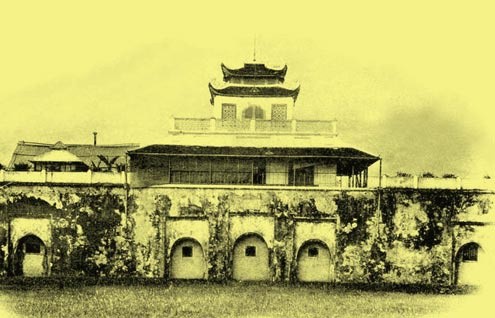
Sau khi chiến thắng giặc Minh, Lê Thái Tổ vẫn đóng đô ở Thăng Long nhưng đổi tên là Đông Kinh. Năm 1802 sau khi tiêu diệt xong Tây Sơn, Nguyễn Ánh lên ngôi Hoàng Đế. Kinh đô vẫn được đặt ở Phú Xuân. Thăng Long vẫn mang tên gọi là Thăng Long. Năm 1831, trong cuộc cải cách hành chính lớn Minh Mạng đã cho đổi tên Thăng Long thành tỉnh Hà Nội. Cái tên này tồn tại cho đến năm 1888 khi nhà Nguyễn chính thức nhượng hẳn Hà Nội cho Pháp. Người Pháp đổi Hà Nội thành thành phố.
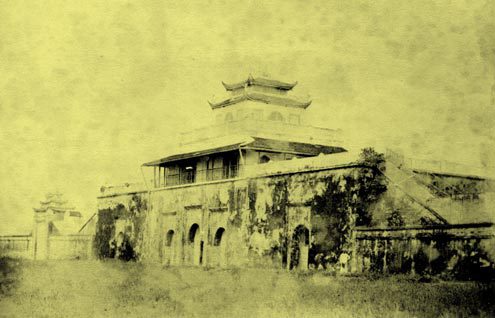
Như vậy, Khu di sản Hoàng thành Thăng Long hiện nay chính là trung tâm của thủ phủ An Nam và thành Đại La thời thuộc Đường (thế kỷ VII đến thế kỷ IX), thành Đại La thời Đinh – Tiền Lê (thế kỷ X), đến Kinh thành Thăng Long - Đông Đô - Đông Kinh qua các triều đại Lý (1009 - 1225), Trần (1226 - 1400), Lê sơ (1428 - 1527), Mạc (1527 - 1592), Lê Trung hưng (1593 - 1789) và thành Hà Nội thời Nguyễn (thế kỷ XIX). Nơi đây cũng lưu giữ những giá trị vật chất của thời kỳ thuộc Pháp và các di tích lịch sử cách mạng của thời đại Hồ Chí Minh.
3. Di chuyển đến Hoàng thành Thăng Long
Để tham quan Hoàng Thành Thăng Long các bạn tới số 19C Hoàng Diệu là cổng chính dành cho du khách. Từ trung tâm Hà Nội bạn có thể dễ dàng đi đến khu di tích Hoàng Thành bằng các loại phương tiện như xe máy, xe đẹp, ô tô, xe bus… Nếu đi xe bus các bạn có thể bắt tuyến 22, chuyến xe này sẽ dừng ở điểm đỗ trước cửa của Hoàng Thành.
Thời gian và giá vé tham quan
Người lớn: 30.000 đồng/lượt.
Học sinh, sinh viên từ 15 tuổi trở lên (nếu có thẻ học sinh, sinh viên), người cao tuổi (60 tuổi trở lên) là công dân Việt Nam (xuất trình chứng minh thư hoặc bất kỳ giấy tờ khác chứng minh là người cao tuổi): 15.000 đồng/lượt.
Miễn phí tham quan cho trẻ em dưới 15 tuổi và người có công với cách mạng.
Các ngày trong tuần (nghỉ thứ Hai hàng tuần).
Sáng: Từ 8h30 đến 11h30
Chiều: Từ 14h00 đến 17h00.
4. Các địa điểm tham quan ở Hồ Hoàn Kiếm/Hồ Gươm
Điện Kính Thiên

Nằm ở vị trí trung tâm của khu di tích khảo cổ, Điện Kính Thiên là công trình quan trọng bậc nhất của Hoàng thành Thăng Long. Do sự tàn phá, thay đổi di dời ngày nay dấu tích của điện chỉ còn là khu nền cũ rộng lớn cùng với hàng lan can cao hơn 1 mét ở phía Nam điện và thềm điện 10 bậc chia thành 3 lối đi lên điện có 4 con rồng đá lớn và tinh xảo. Tuy công trình còn sót lại rất ít nhưng nền điện và hai đôi rồng chầu đã phần nào phản ánh được quy mô nguy nga tráng lệ của điện Kính Thiên khi xưa.

Cột cờ Hà Nội

Di tích được xây dựng vào năm 1812 dưới triều Gia Long. Cột cờ cao 60m, gồm có chân đế, thân cột và vọng canh. Chân đế có hình vuông với diện tích là 2007m² và bao gồm 3 cấp thóp dần lên. Mỗi cấp đều có tường hoa và hoa văn bao quanh. Từ mặt đất lên tới chân cấp thứ 2 phải leo 18 bậc thang tại mặt phía Đông và mặt phía Tây. Muốn từ cấp 2 lên cấp 3 cũng phải leo 18 bậc thang ở hai cửa hướng Đông và Tây. Còn cấp thứ 3 có 4 cửa, cửa Đông, cửa Tây, cửa Nam và cửa Bắc.

Đoan Môn
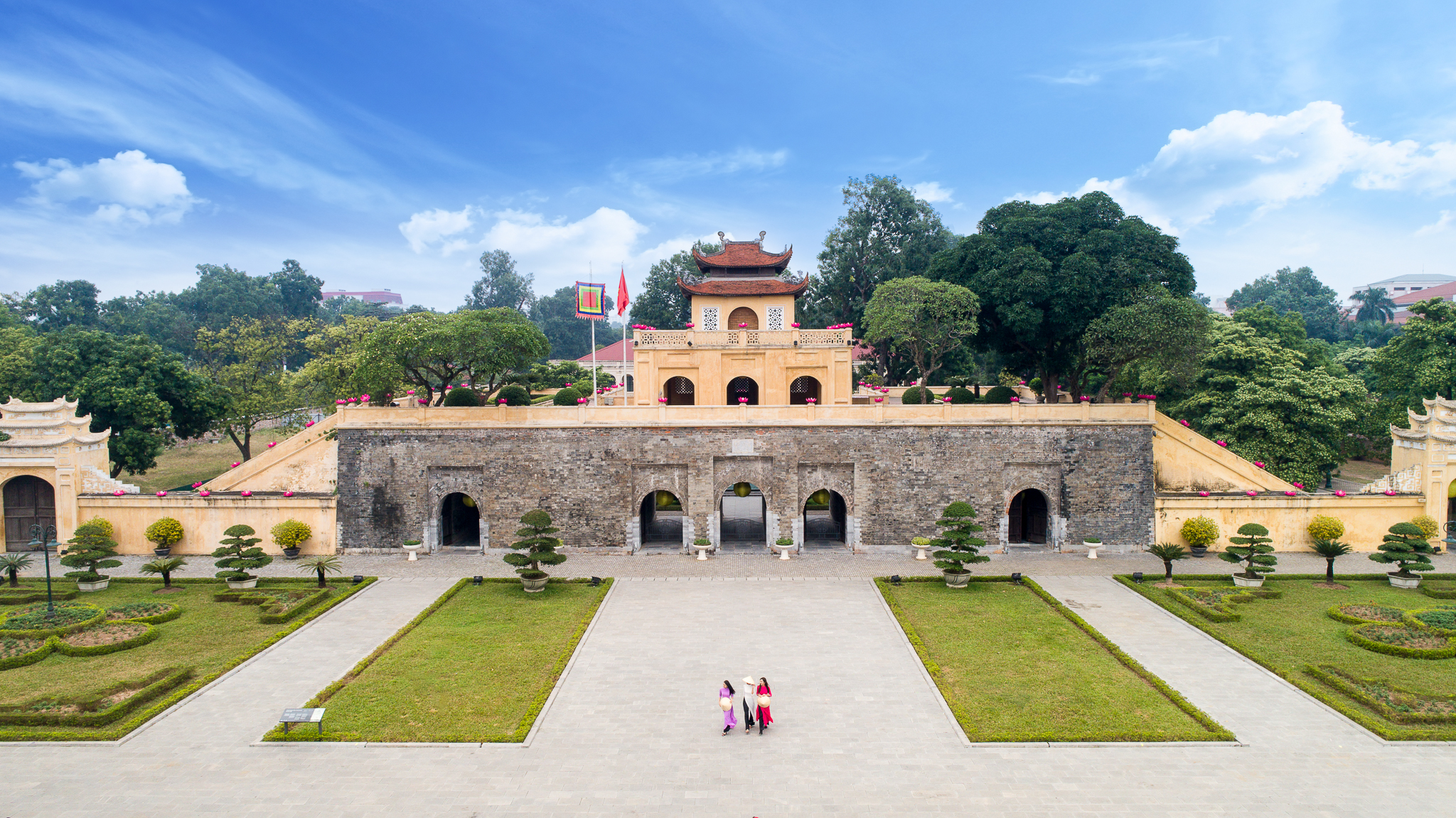
là cửa vòm cuốn dẫn vào điện Kính Thiên. Đoan Môn gồm năm cổng xây bằng đá, phía ngoài là cửa Tam Môn khoảng 1812 - 1814, triều Nguyễn Gia Long phá, xây Cột Cờ (nay vẫn còn sừng sững). Năm 2002, giới khảo cổ học Việt Nam được phép đào phía trong Đoan Môn đã tìm thấy “lối xưa xe ngựa” thuộc thời Trần, dùng lại nhiều gạch Lý. Nếu khai quật tiếp, sẽ có thể thấy cả con đường từ Đoan Môn đến điện Kính Thiên ở phía Bắc và cửa Tây Nam thành Hà Nội.

Cửa Bắc

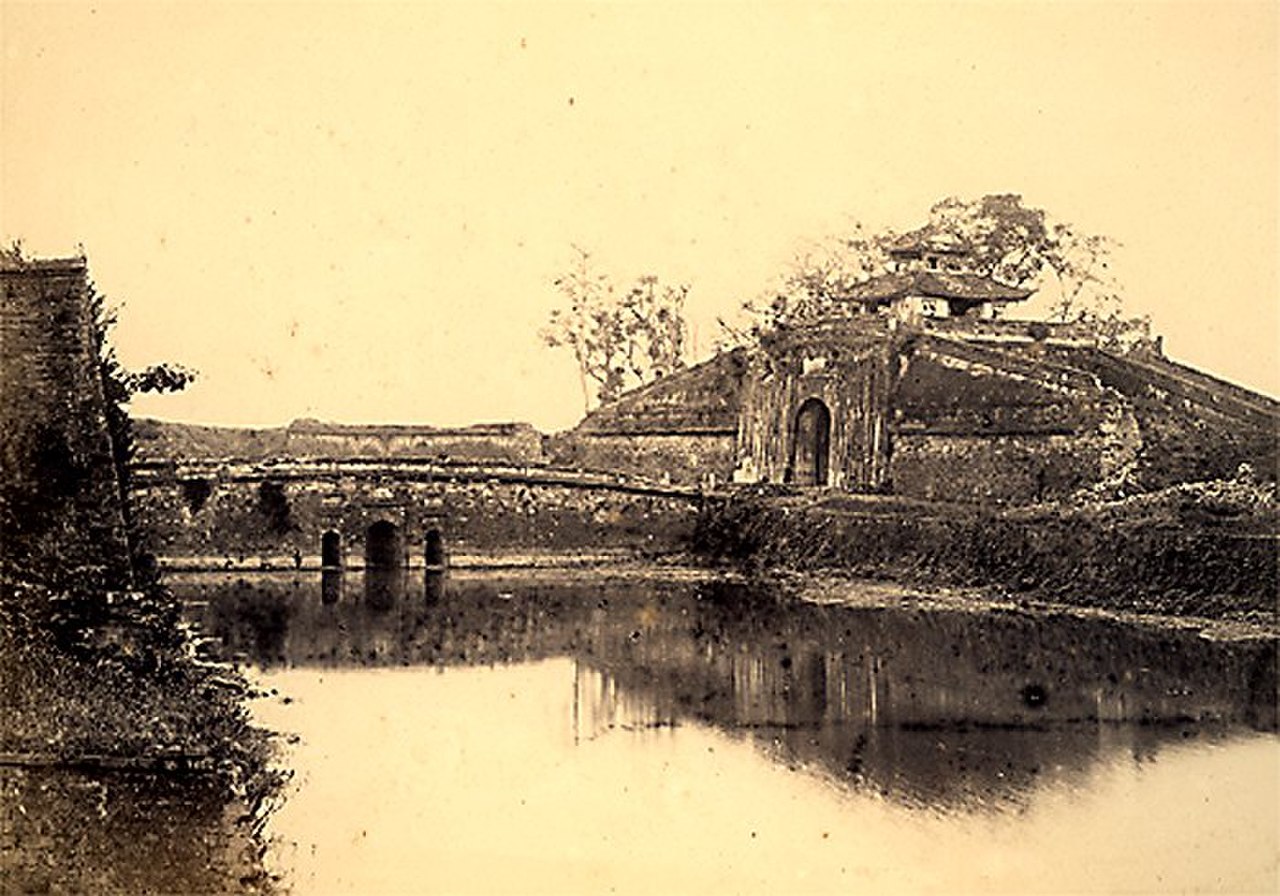
Đây là một trong năm cổng của thành Hà Nội dưới thời Nguyễn. Ở Cửa Bắc còn lưu giữ lại hai vết đại bác do pháo thuyền Pháp bắn từ sông Hồng năm 1882 khi Pháp hạ thành Hà Nội lần thứ hai. Ngày nay trên cổng thành là nơi thờ hai vị tổng đốc Hà Nội là Nguyễn Tri Phương và Hoàng Diệu.
Nhà D67
Tổng hành dinh của Quân ủy trung ương cách mạng Việt Nam. Chính tại nơi đây lãnh đạo cách mạng Việt Nam đã đưa ra các quyết định quan trọng như cuộc Tổng tiến công Tết Mậu Thân 1968, Tổng tiến công chống Mỹ năm 1972 và cuộc Tổng tấn công mùa xuân năm 1975 với chiến dịch Hồ Chí Minh lịch sử. Căn nhà D67 là một khu quân sự thu nhỏ với phòng họp, văn phòng, phòng điều hành của các tướng lĩnh, hệ thống đường ngầm, phòng để trang thiết bị máy móc điện đài, hậu cần, lương thực, thông tin liên lạc, khu làm việc của Ban cơ yếu và Cục tác chiến…

Hậu Lâu
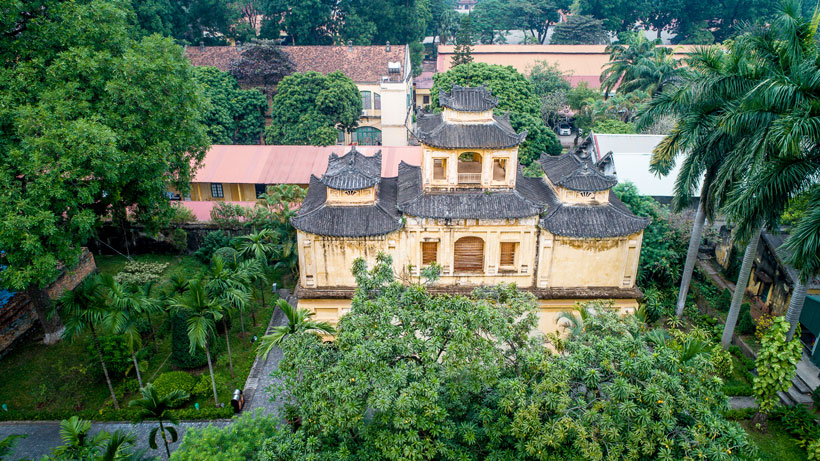
Lầu Tĩnh Bắc (Tĩnh Bắc lâu) là một toà lầu xây phía sau cụm kiến trúc điện Kính Thiên là hành cung của thành cổ Hà Nội. Tuy ở sau hành cung nhưng lại là phía bắc, xây với ý đồ phong thuỷ giữ yên bình phía bắc hành cung, nên mới có tên là Tĩnh Bắc lâu và còn có tên là Hậu lâu (lầu phía sau), hoặc là lầu Công chúa do cho rằng đây là nơi nghỉ ngơi của các cung nữ trong đoàn hộ tống vua Nguyễn ra ngự giá Bắc thành.

Khu khảo cổ số 18 Hoàng Diệu

Ngụ tại số 18 Hoàng Diệu khu khảo cổ Hoàng thành Thăng Long được Nhà nước thực hiện một cuộc khai quật khảo cổ với quy mô lớn vào năm 2002 và được gìn giữ bảo tồn cho đến ngày nay. Cả khu khảo cổ được chia làm 4 khu vực A, B, C, D với tổng diện tích quy hoạch là 45.380 mét vuông. Tại các khu vực này đều phát hiện được rất nhiều các di vật và loại hình kiến trúc có niên đại chồng xếp lên nhau xuyên suốt 1.300 năm từ thời Đại La thế kỷ VII tới thời Nguyễn(1802-1945).
Lớp dưới cùng khu khảo cổ là hệ thống di vật, kiến trúc thuộc thời tiền Thăng Long. Tiêu biểu là nền móng đặc trưng với hệ thống các cột gỗ, giếng nước, cống tiêu thoát nước, gạch loại Giang Tây quân, ngói trang trí hình mặt hề, thú thần và nhiều đồ gốm sứ có niên đại từ thế kỷ VII.
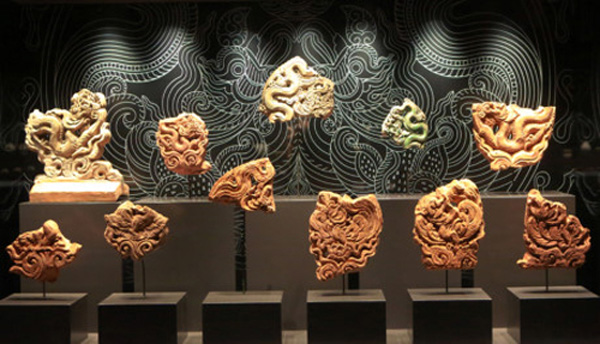
Lớp trên là kiến trúc thời Lý – Trần tầm thế kỷ XI – XIV. Lúc này kiến trúc đổi sang có các trụ móng sỏi kê chân cột với lớp nền gạch, chân tảng đá hoa sen, sân gạch đỏ, mái được trang trí cầu kỳ tinh xảo hơn.
Lớp trên cùng là kiến trúc thời Lê từ thế kỷ XV đến thế kỷ XVIII. Đặc trưng của thời kỳ này là kiến trúc xây bằng gạch vồ, ngói thanh lưu ly, hoàng lưu ly trang trí rồng 5 móng chuyên dùng để lợp trên mái cung điện nhà vua, hệ thống giếng nước và rất nhiều gốm sứ ngự đặc biệt dành riêng cho vua chúa.
5. Lưu ý tham quan
Không mang vũ khí, chất gây cháy nổ, thực phẩm có mùi hôi vào khu di tích.
Xung quanh Hoàng thành có nhiều quán ăn nổi tiếng, giá rẻ như: Bún chả Cao Bá Quát, các món lươn Lan Anh, Nộm tai heo Thắng Béo,… du khách có thể ghé vào thưởng thức.
Đây là khu di tích lịch sử nên khi đến tham quan bạn nên ăn mặc gọn gàng, kín đáo, lịch sự.
Không dẫm chân lên cỏ, trèo leo và xả rác không đúng nơi quy định.
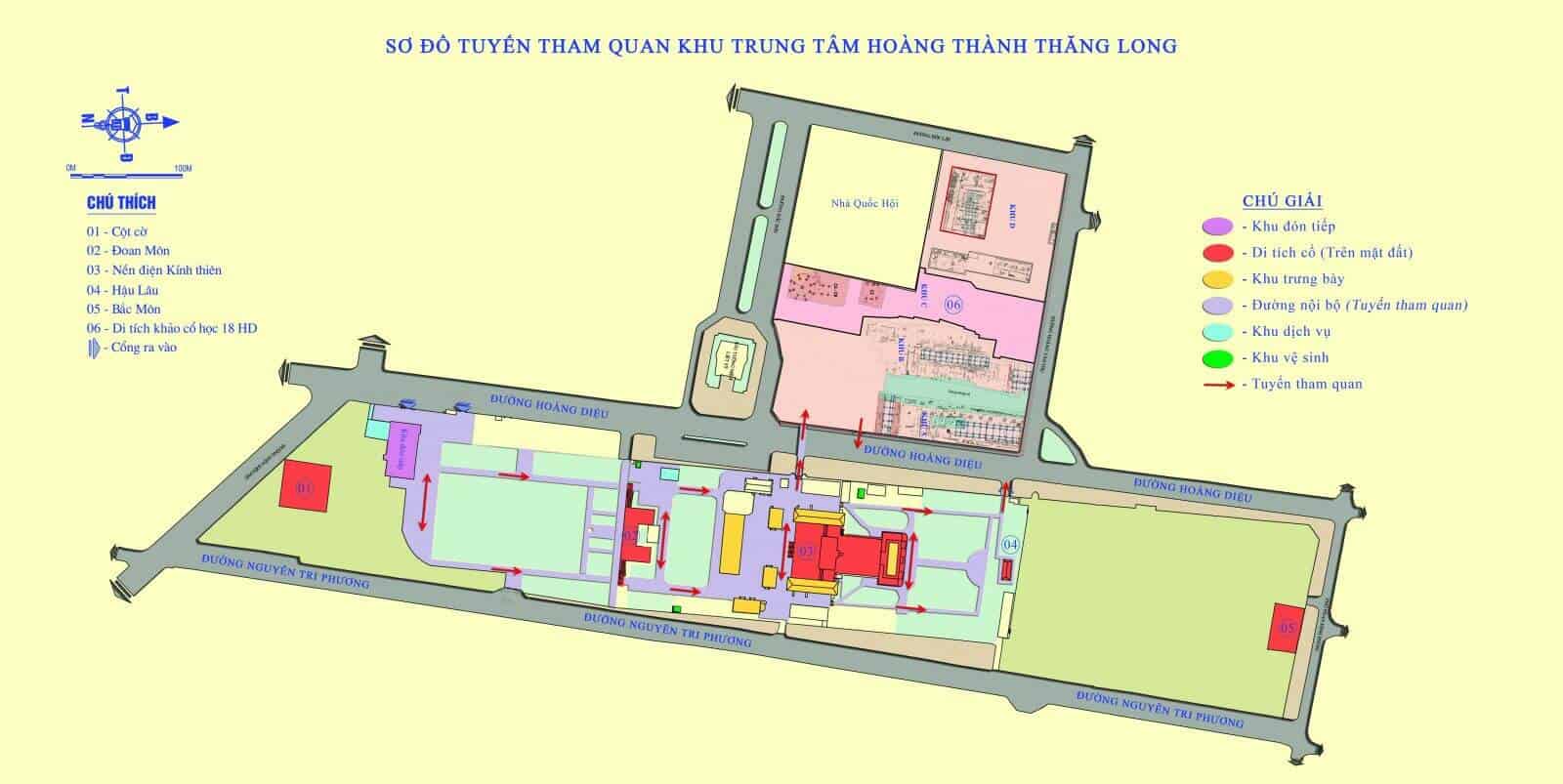
Nên đi tham quan theo thứ tự ghi trên sơ đồ Hoàng Thành Thăng Long để tránh mất nhiều thời gian tìm kiếm.
Nếu muốn quay phim bạn phải xin phép trước với ban quản lý Hoàng Thành Thăng Long.
Nguồn: Sưu tầm
Hình: Sưu tầm